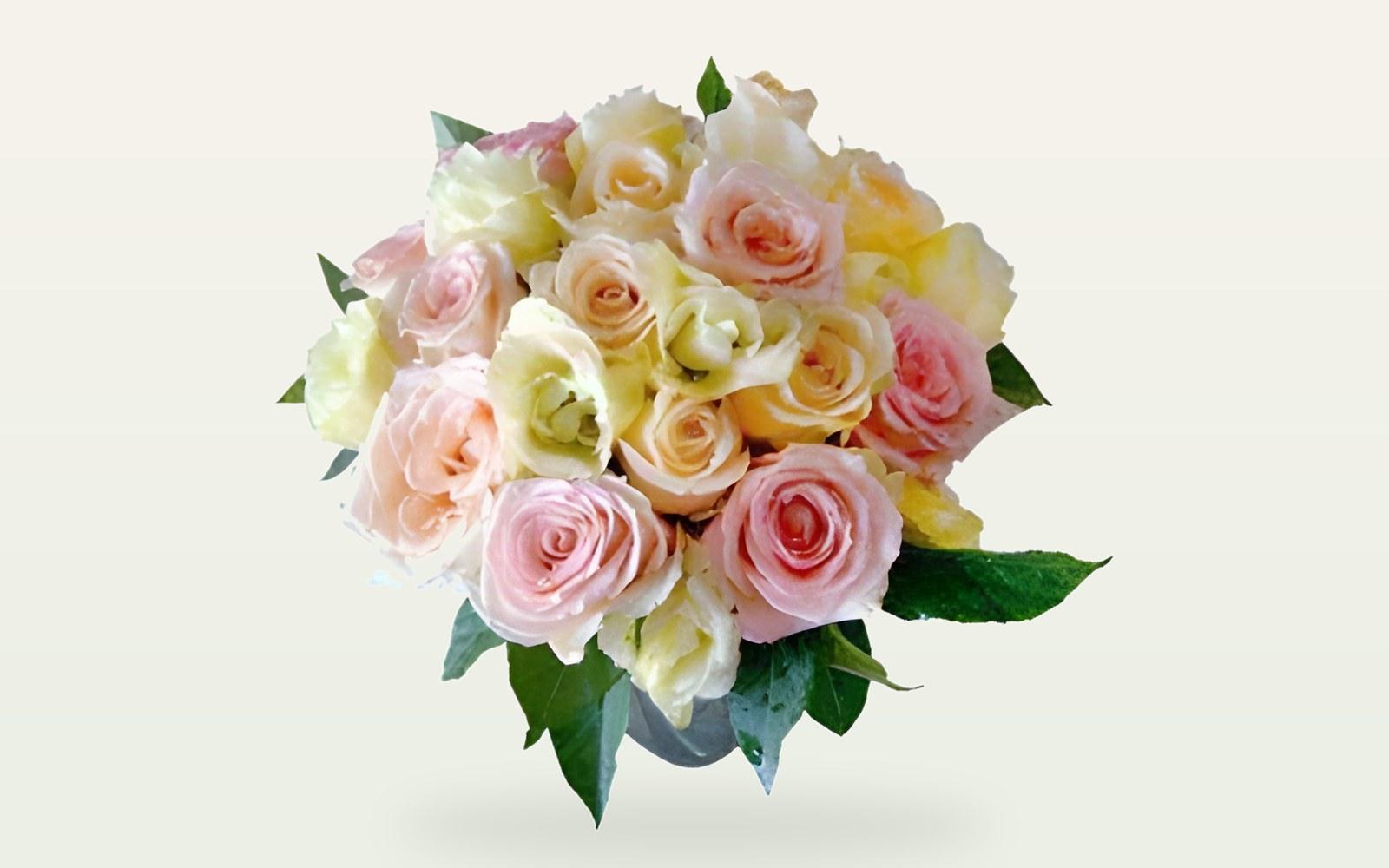
Hand-tied bouquet of pastel pink, peach and cream roses

Blog · · 6 min read

Ranunculus Meaning: Flower Symbolism, Colors and the Legends Behind It

Ranunculus flower meaning explained: its symbolism of charm and radiance, what each color says, the Persian and coyote legends, and when to give it.

Image by GoGo Florist

The ranunculus flower has one of the friendliest reputations in the language of flowers. Each petal is thin as tissue paper and stacked in tight spirals with dozens of others, and the bloom looks so polished that people often take it for a rose or a camellia on first sight. The ranunculus flower meaning follows that look: the bloom stands for charm, radiance and a warm kind of admiration, a pairing of charm and attractiveness that few other cut flowers match. It is rarely given with anything but good intentions. This guide explains where the idea comes from, what the different colors of ranunculus say, and when the flower makes the right gift.

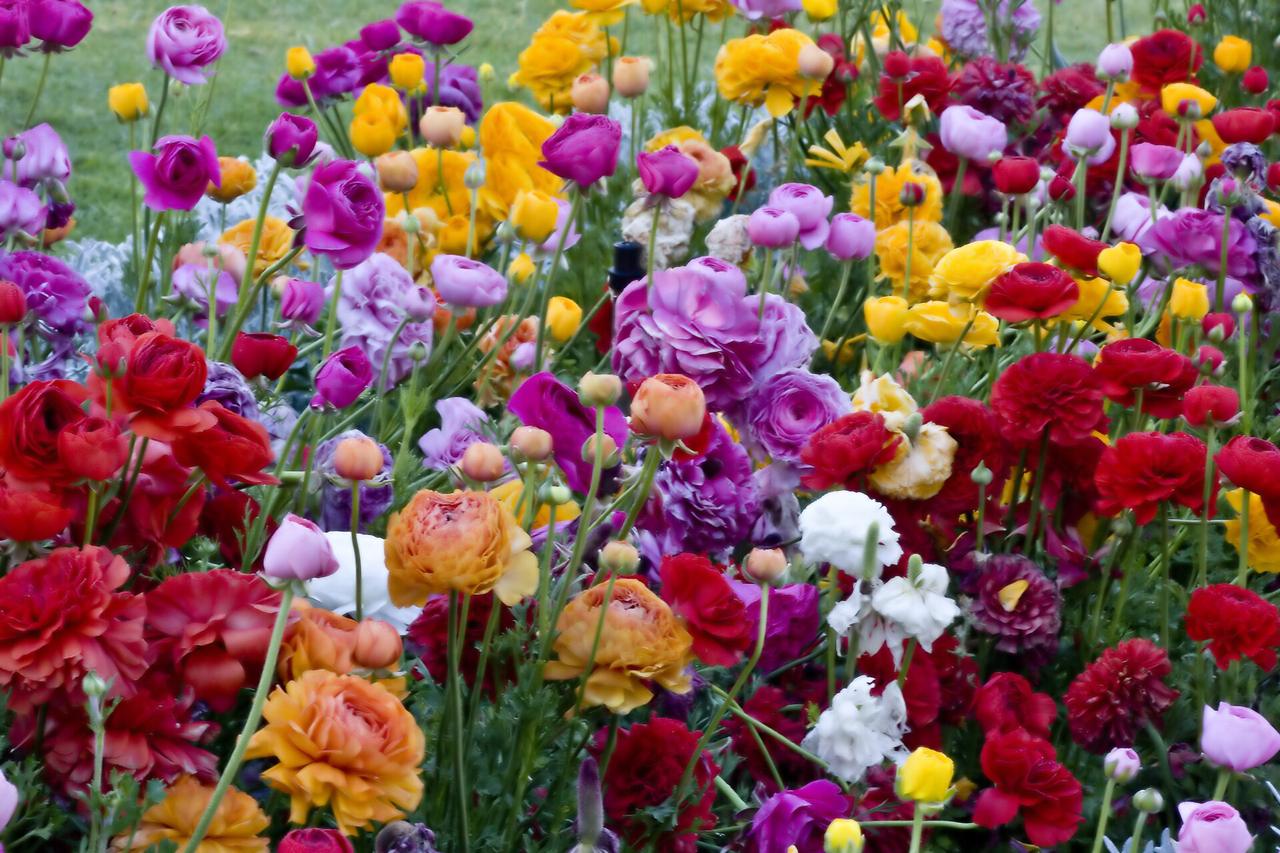
A field of colorful ranunculus flowers

Photo: Sheba_Also 43,000 photos, CC BY-SA 2.0, via Wikimedia Commons

The meaning of the ranunculus flower

Ask what ranunculus symbolize, or what the meaning of ranunculus is in a bouquet, and most modern flower guides give the same answer. Ranunculus symbolizes charm and attraction, helped by the bloom’s natural attractiveness, and the message is usually some version of "I am dazzled by you." Across cultures and centuries the idea has barely changed, and the ranunculus flower’s message is still one of warm admiration. Victorian writers on floral meaning set that tone. In their lists of flower messages, the cultivated ranunculus was tied to radiant charm, while its wild cousin was handed a lighter and sometimes less flattering meaning, such as childishness. Today the garden ranunculus carries only the warm side of that inheritance.

Around the main idea of charm, a few related meanings have gathered, and elegance is one of them, since the layered petals look so carefully made. Ranunculus is often read as a symbol of gratitude, because its soft petals and long-lasting stems suit a thank-you bouquet. It can also say admiration, a fresh start, or quiet romance, depending on the color and on who is giving it. Because the flower does not carry a heavy or sorrowful message, it works for almost any cheerful occasion.

Where the name comes from

Part of the meaning is hidden in the name itself. Ranunculus is a genus of several hundred species in the buttercup family, Ranunculaceae, and the word ranunculus comes from Latin and translates as "little frogs," a diminutive of the word for frog. The meaning, little frog, hints at where the plant likes to grow. Old botanists chose it because many wild species of the genus Ranunculus grow in wet meadows and along stream banks, exactly where frogs live. If you have ever wondered why such a refined flower has such an odd name, that damp, froggy habitat is the reason.

The type most people buy, Ranunculus asiaticus, is also called the Persian buttercup, and the Persian ranunculus is native to southwest Asia and the eastern Mediterranean. Gardeners in the Ottoman world prized it for centuries before it spread to Europe and was bred into the many-petaled double forms we know today. The wild buttercup has a more homely story. Under the name buttercup, its cup-shaped flowers inspired a children's game of holding one under the chin to see whether you liked butter, a folk tradition that has lasted for generations. The glossy shine of a yellow buttercup is real, too: the petals have mirror flat cells that bounce light back like a tiny mirror, and the same sheen shows on a yellow ranunculus flower. Many wild ranunculus species, known as buttercups, share that shine, and a single petal held to the light shows it best.

An old Persian legend and other tales

Flowers with long histories collect stories, and the ranunculus has several. The best known is an old story about a young Persian prince, handsome and richly dressed, who fell in love with a nymph of the hills. His love was not returned, and the young prince died of heartbreak when his love chose someone else. The flower is said to have sprung up where he fell, with petals as bright as his jewels. It is a sad origin for such a cheerful bloom, which is probably why the legend is retold with a gentler ending in many flower books: the ranunculus is the prince's love, turned into something beautiful.

A very different story comes from Native American folklore, where certain yellow buttercup flowers are called coyote’s eyes. In the tale the trickster coyote would toss his eyes into the air, and the round yellow blooms mark where they landed. Neither story can be proven, but together they explain why the flower has been tied to love, longing and a little mischief for so long.

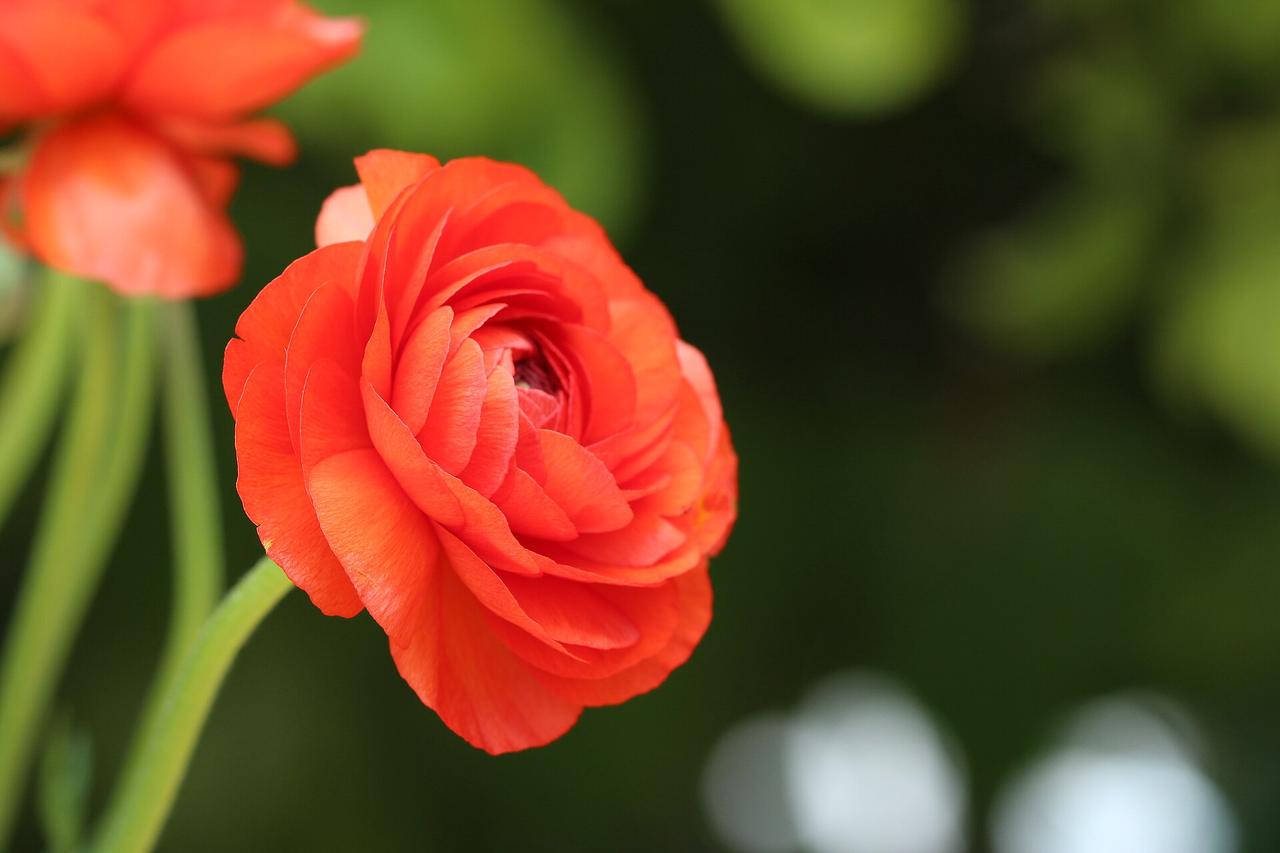
A red-orange ranunculus flower

Photo: moran okon, CC BY 2.5, via Wikimedia Commons

What the different colors of ranunculus mean

Color adds a second layer of meaning, and each ranunculus color has its own reading, with a range that is unusually wide. Traditions differ, so treat these as conventions rather than rules, but the following color meaning list reflects what florists use most often.

White ranunculus stands for purity, new beginnings and sincere admiration, and the pale white petals are why it turns up so often in bridal bouquets as one of the classic wedding flowers. Pink ranunculus suggests affection and gratitude, and pale pastel pink is among the most popular colors for a thank-you gift. Red ranunculus speaks of passion and romance, and it is the natural choice for pure love, or anything more than friendship. Yellow ranunculus, the color closest to the wild buttercup, brings cheer and new friendship, while orange ranunculus is read as enthusiasm and energy. Purple ranunculus, a deeper and rarer shade, is linked with admiration and a touch of mystery.

If you are choosing for a new relationship, red or pink is the clearest signal. For a friend, a colleague or a neighbor, yellow, orange and white keep the message light.
When to give ranunculus

The ranunculus season runs from late winter through spring, and that timing shapes how the flower is used. Among spring flowers it is a favorite for spring weddings, anniversaries, Mother's Day and graduations, and for any bouquet that is meant to say thank you without fuss. A florist will often combine ranunculus with tulips, roses or peonies, and frilly butterfly ranunculus, which resemble a peony, are popular in loose garden-style arrangements. The layered petals hold up well in water for a week or more, so the gift lasts.

Two practical notes help with giving ranunculus. Ranunculus has almost no scent, so it suits people who dislike strongly perfumed flowers, and it will not compete with a dinner table. It is also not safe to eat, because the whole family contains an irritant that bothers the mouth and stomach, so keep a vase out of reach of pets and small children. If the recipient has a garden, a few corms of the same color are a gift that returns the following spring, since ranunculus is a tender perennial in mild climates.

Why the symbolism of the ranunculus flower has lasted

Many flower meanings fade as fashions change, but this one has held steady because the flower itself keeps proving the point. Its paper-thin petals, crisp spiral center and wide range of colors look both delicate and generous at once, and the flower has appeared in garden paintings and spring tablescapes for centuries.

For the full picture of growing, planting and caring for these blooms, see our complete guide to the ranunculus flower.

About the author. Julian Marsh follows floral design and spring flowers.

More from the journal

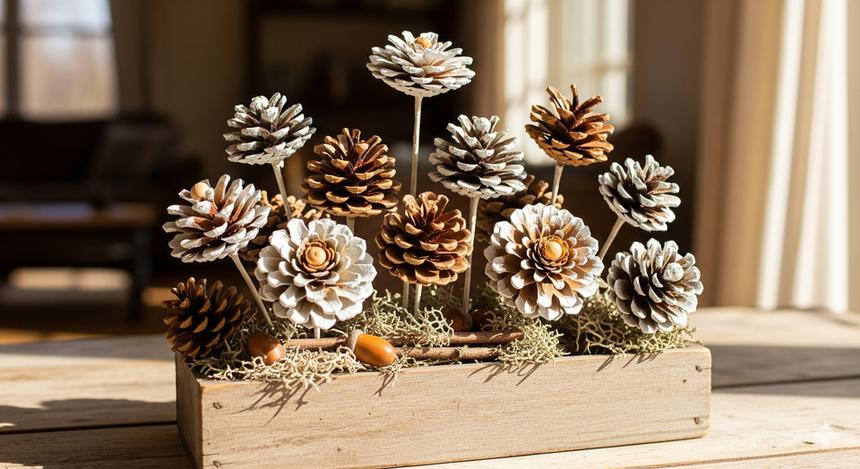
DIY Pinecone Flowers: A Guide to Creating Lasting PInecone Blooms

· 6 min read

DIY Pinecone Flowers: A Guide to Creating Lasting PInecone Blooms

Wish you could have a beautiful floral arrangement that lasts forever? This guide will show you how to transform simple pinecones into stunning, year-round flowers. Learn how the natural shape of a pinecone can be crafted into a rustic yet elegant bloom, perfect for adding a touch of nature to your home without the hassle of watering.

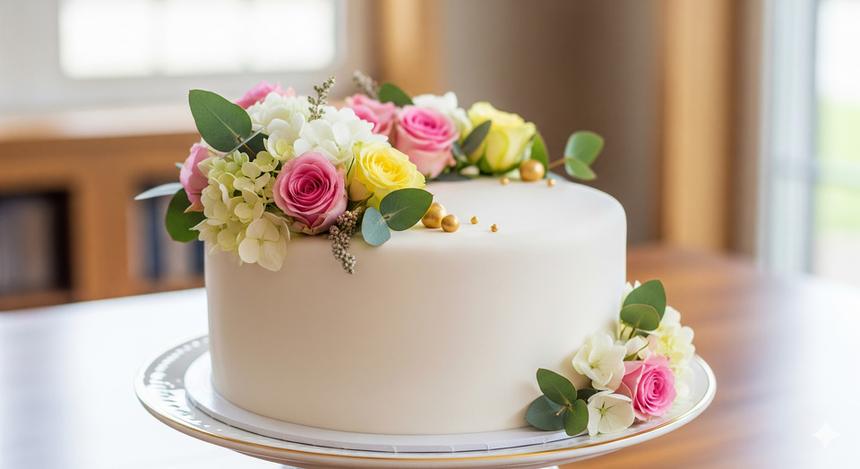
Decorating Cakes with Fresh Flowers: Creating a Beautiful Masterpiece

· 5 min read

Decorating Cakes with Fresh Flowers: Creating a Beautiful Masterpiece

Want to add a magical touch to your next cake with fresh flowers? This guide will show you how to safely and beautifully adorn your baked creations with blooms. Learn the essential tips and tricks to ensure your floral cake is not only stunning but also completely safe to eat.

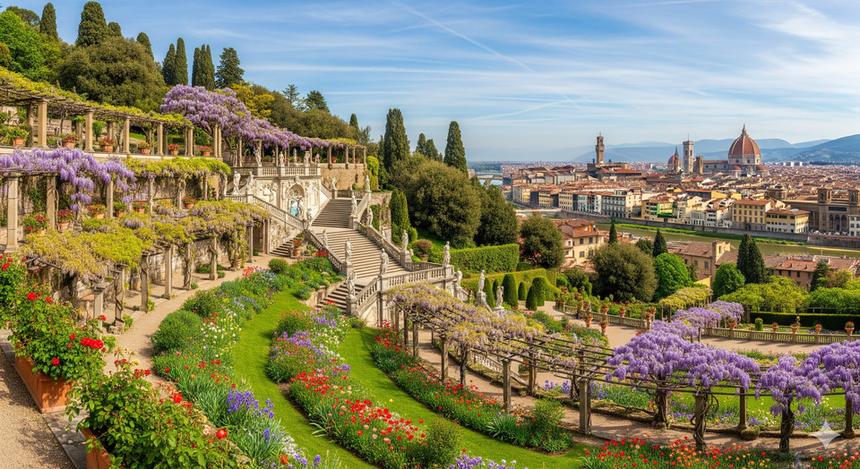
Why Bardini Gardens in Florence is a Must-See

· 5 min read

Why Bardini Gardens in Florence is a Must-See

Forget crowded piazzas—the Bardini Gardens offer a quiet, romantic escape right in the heart of Florence. This hidden gem weaves together centuries of history, from its origins as a medieval orchard to its grand redesigns as a Baroque and English-style garden. Today, it stands as a living testament to Florence's artistic past, offering a tranquil, personal kind of magic for anyone seeking a serene retreat.