· 6 min read
Ranunculus Meaning: Flower Symbolism, Colors and the Legends Behind It
Ranunculus flower meaning explained: its symbolism of charm and radiance, what each color says, the Persian and coyote legends, and when to give it.
Blog · · 3 min read
Ranunculus vs peony: how to tell the two ruffled spring flowers apart, how big the blooms get, when each is in season, vase life and how to grow them.
Put a ranunculus and a peony in the same vase and many people cannot say which is which. Both have a ruffle of many petals, both come in cheery pastel shades, and both turn up in bridal bouquets every spring. The two plants are not related, though, and each has distinct characteristics in size, scent, season and growth. This guide covers the differences between the two so you can recognize each flower and decide which suits your garden, your vase or your spring weddings.
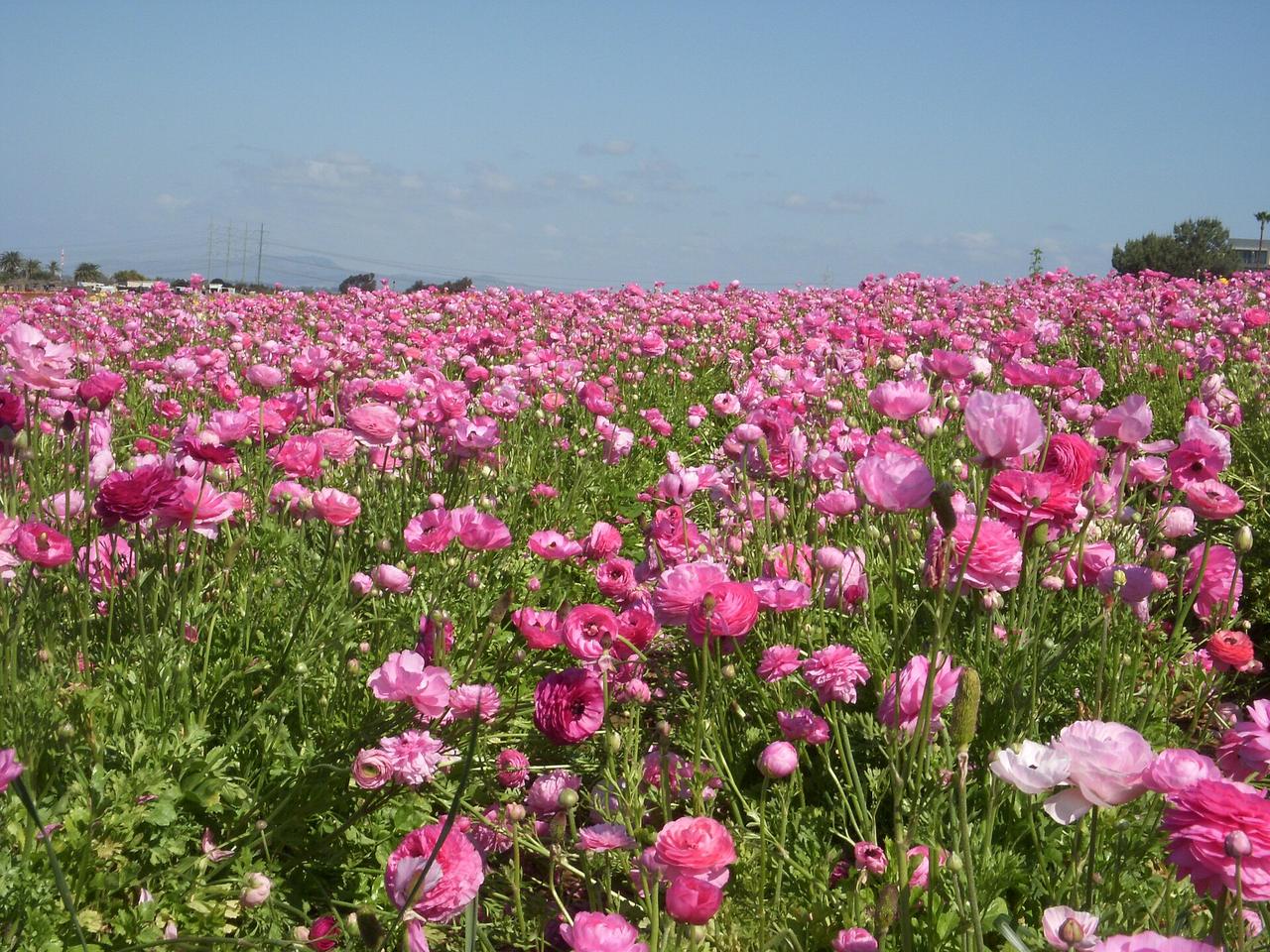
Photo: T.sujatha, CC BY-SA 3.0, via Wikimedia Commons
The resemblance is real. Each flower is a ball of layered petals, so the shape reads as soft and cloud-like. Both are spring bloomers used in hand-tied bouquets, and both come in a range of shades from white and blush through coral to deep red. When a florist wants peony vibes at another time of year, ranunculus blooms are the usual answer, and peonies and ranunculus are similar enough to build bouquets together.
Bloom size is the quickest way to tell them apart. Peony blooms are large, often four to eight inches across, while ranunculus flowers are smaller, usually two to four inches, and sit on slim, hollow stems that bend toward the light. Peonies look fluffier and rounder, but the petal structure of a ranunculus, with its papery petals, is tighter and more regular, almost like a rose or a camellia seen from above.
Scent is another clear difference. Peonies are fragrant blooms with a sweet perfume, whereas ranunculus has almost none.
Ranunculus arrives first. Its season usually runs from late winter through springtime, while the peony season is short and falls in late spring and early summer, usually May and June in the Northern Hemisphere. Each plant blooms for only a couple of weeks, so a fresh cut peony is hard to find outside that window at the flower market, and it is in high demand while it lasts. That scarcity is one reason ranunculus is such a common stand-in.
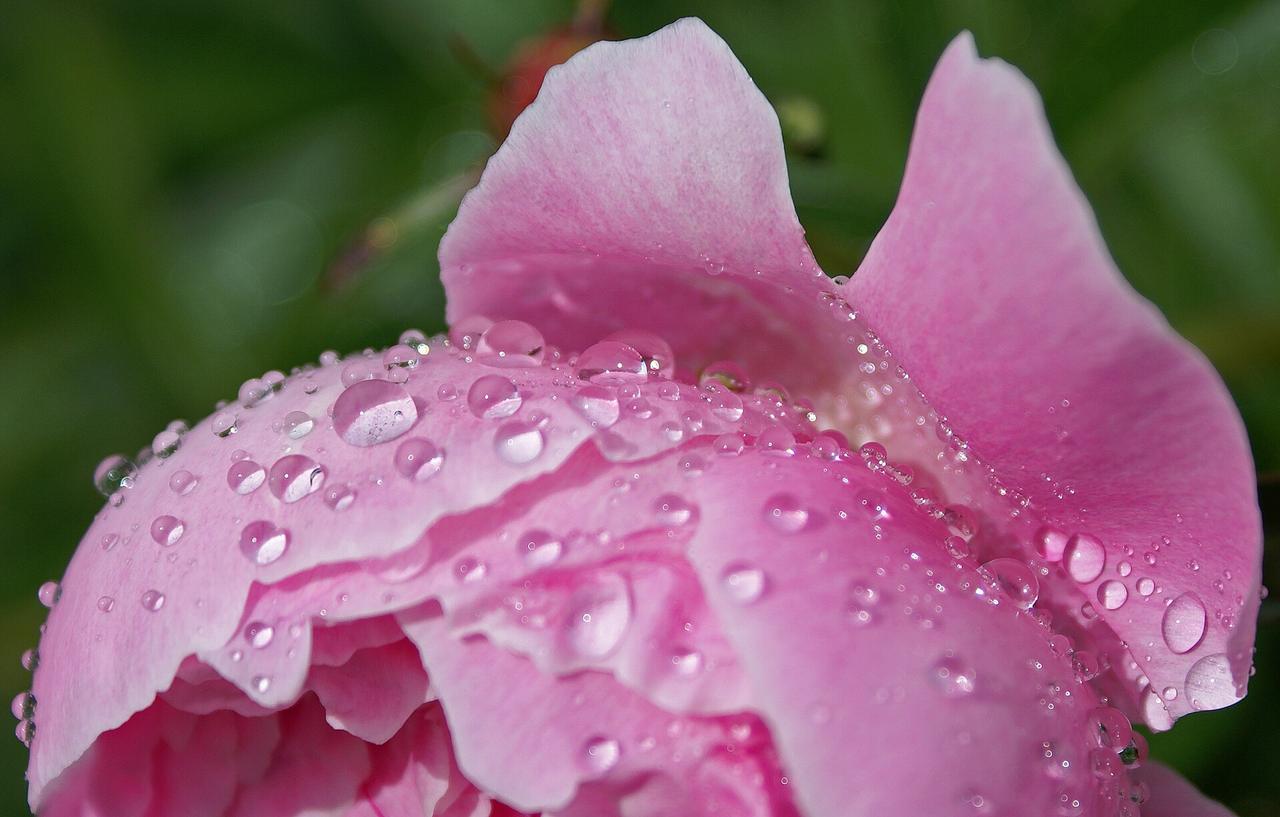
Photo: Randi Hausken from Bærum, Norway, CC BY-SA 2.0, via Wikimedia Commons
The plants have very different needs. A peony is a long-lived perennial that grows from fleshy roots and often lives for decades. It is hardy for gardening in USDA zones 3 to 8 and needs a cold winter to set buds, so it struggles in warm climates. Plant the roots no deeper than about two inches in full sun and well-drained soil, and be patient, since a new plant can take two or three years to flower.
Ranunculus, a buttercup relative, grows from a small corm, likes cool, mild weather and is often called Persian buttercups in catalogs. It is a tender perennial that many gardeners treat as an annual, because the corms rot in wet soil and the plants fade in summer heat. For a home grower in a warm region where peonies will not bloom, ranunculus is the easier choice. Both want sun and good drainage, and both are toxic if eaten, so keep both from pets.
For a gift or a centerpiece, think about timing first. A ranunculus bouquet has the longer vase life, usually seven to ten days, while cut peonies hold for five to seven once the buds open. Choose a peony bouquet for fragrance and lush blooms in early summer, and ranunculus for a long-lasting floral arrangement earlier in the year. In both cases, buy stems at the soft, marshmallow-like bud stage, and give them proper care: clean, cool water, a spot away from heat, and fresh water every two days, as most care instructions advise.
Ranunculus is not the only flower similar to peonies. Garden roses, double tulips, camellias, dahlias, hydrangeas, begonias and even a fully open tulip share the layered shape, and these beautiful flowers keep flower arrangements in that style going when peony season is over, so they rank among the best flowers for the gap.
If this has made you want to grow your own, see our guide to growing and caring for ranunculus.
Someone in Hat Yai on your list? sendflowers.teleflora.com delivers there.
About Julian Marsh. Julian Marsh covers floral design and spring flowers.
· 6 min read
Ranunculus flower meaning explained: its symbolism of charm and radiance, what each color says, the Persian and coyote legends, and when to give it.
· 6 min read
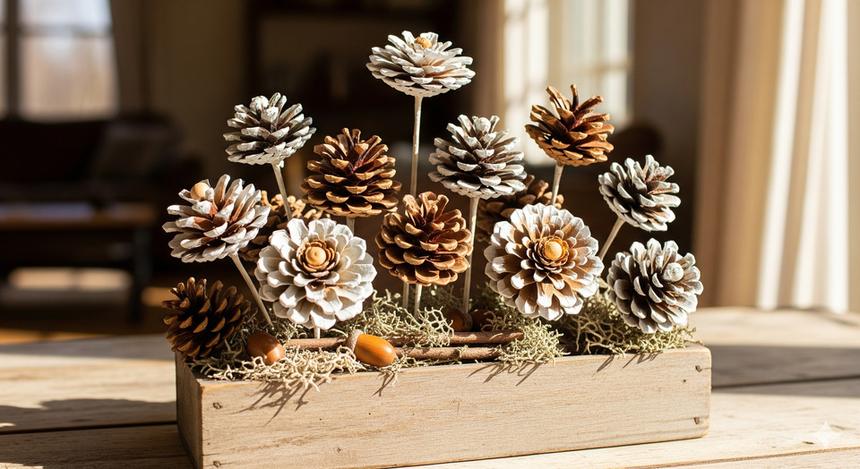
Wish you could have a beautiful floral arrangement that lasts forever? This guide will show you how to transform simple pinecones into stunning, year-round flowers. Learn how the natural shape of a pinecone can be crafted into a rustic yet elegant bloom, perfect for adding a touch of nature to your home without the hassle of watering.
· 5 min read
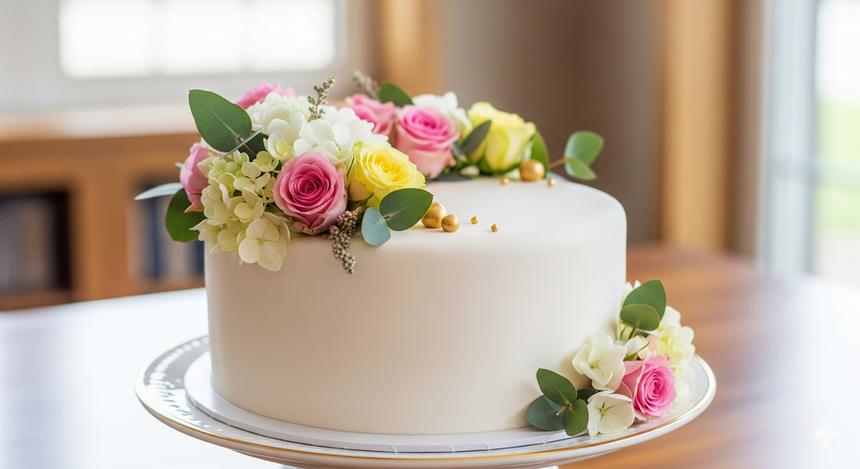
Want to add a magical touch to your next cake with fresh flowers? This guide will show you how to safely and beautifully adorn your baked creations with blooms. Learn the essential tips and tricks to ensure your floral cake is not only stunning but also completely safe to eat.