· 3 min read
Ranunculus vs Peonies: Flowers That Look Alike and How to Choose
Ranunculus vs peony: how to tell the two ruffled spring flowers apart, how big the blooms get, when each is in season, vase life and how to grow them.
Blog · · 7 min read
Learn what a ranunculus flower is, when to plant corms, how to care for ranunculus in pots or beds, how long a bouquet lasts and what the bloom means.
Few spring blooms look as delicate as the ranunculus flower. The petals of ranunculus are paper-thin and packed in tight layers, so a single bloom resembles a small rose or a camellia, yet the sturdy stems stand in a vase for more than a week. The beauty of ranunculus comes with a few conditions, because every gardener has to get the timing right for the plants to bloom well, and every florist values the long vase life. This guide covers everything you need to know about how to grow ranunculus in beds or pots, what the plants need, what to do when the season ends, and how to keep each cut bloom fresh.
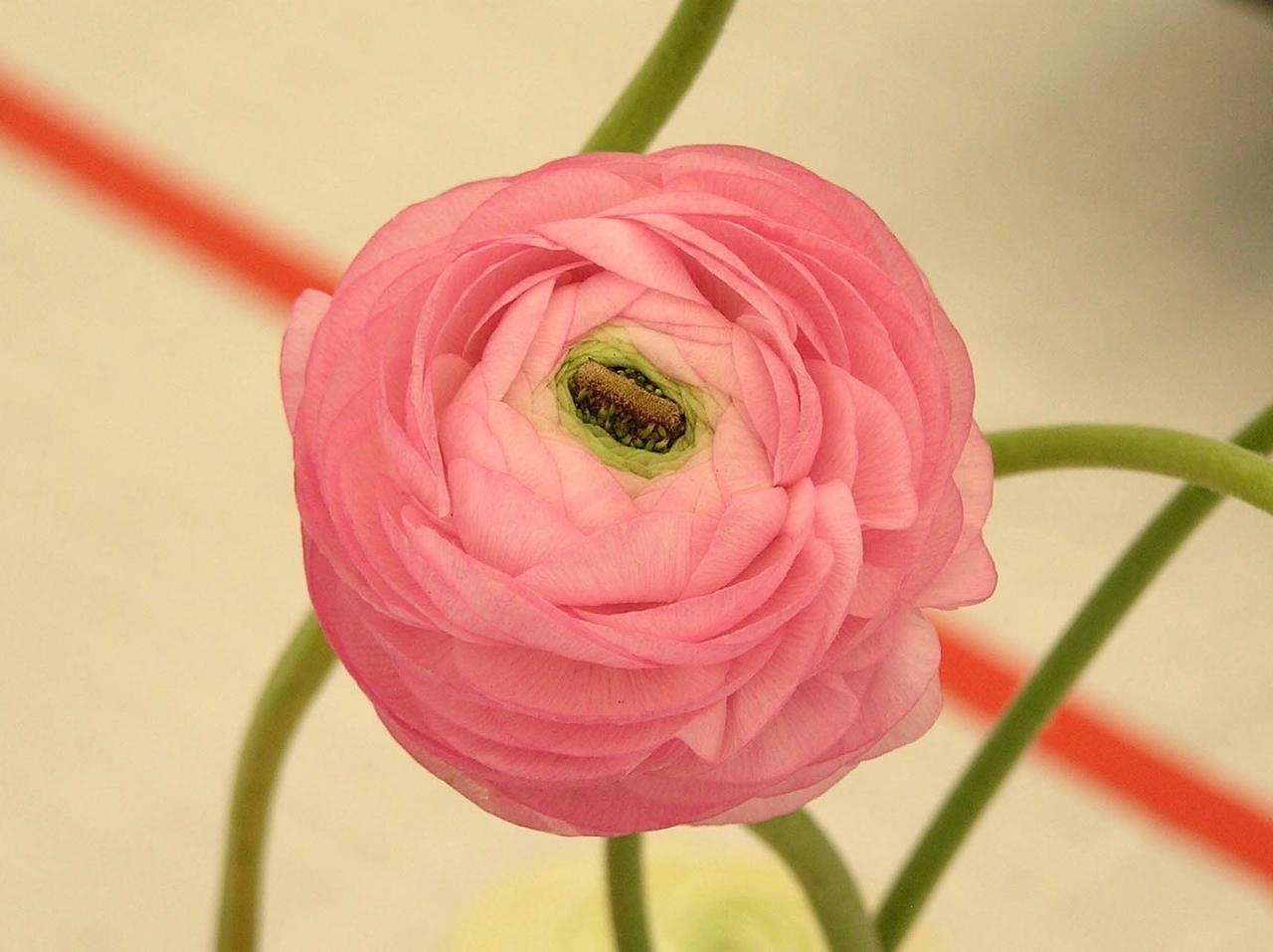
Photo: 阿橋 HQ, CC BY-SA 2.0, via Wikimedia Commons
Ranunculus is a large genus of roughly 600 species in the buttercup family, Ranunculaceae, and many wild ranunculus species are simple yellow wildflowers of damp meadows. The plant sold as a garden and cut flower is Ranunculus asiaticus. It is native to the eastern Mediterranean and southwestern Asia, and it has been cultivated for centuries, first in Ottoman gardens and then across Europe, where breeders gradually developed the double forms with dozens of petals.
The difference between a Persian buttercup and a ranunculus is mostly one of naming. It is simply the common name of the garden species, while ranunculus is the botanical name that also covers the whole genus. The word comes from a Latin term meaning little frog, a reference to the wet ground where many wild species grow.
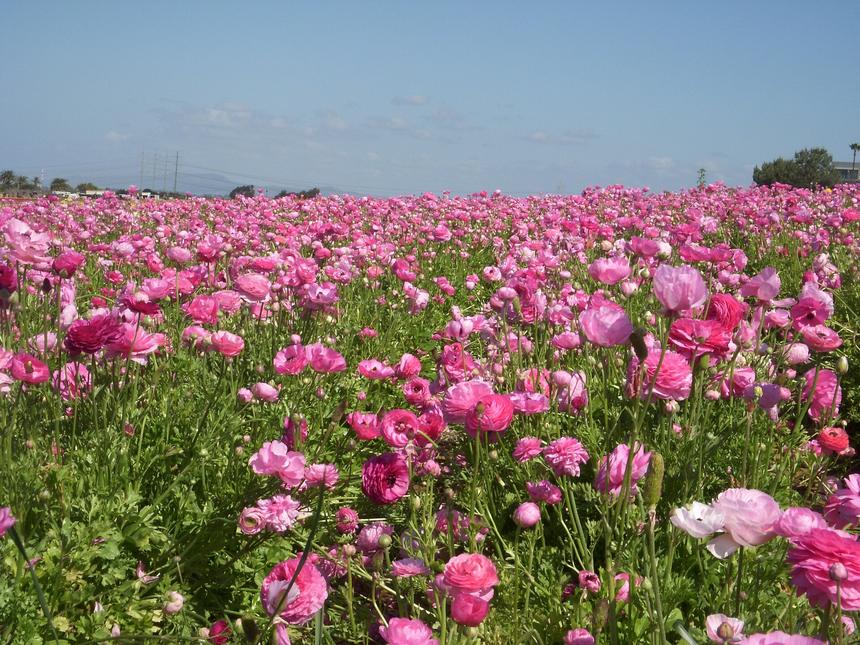
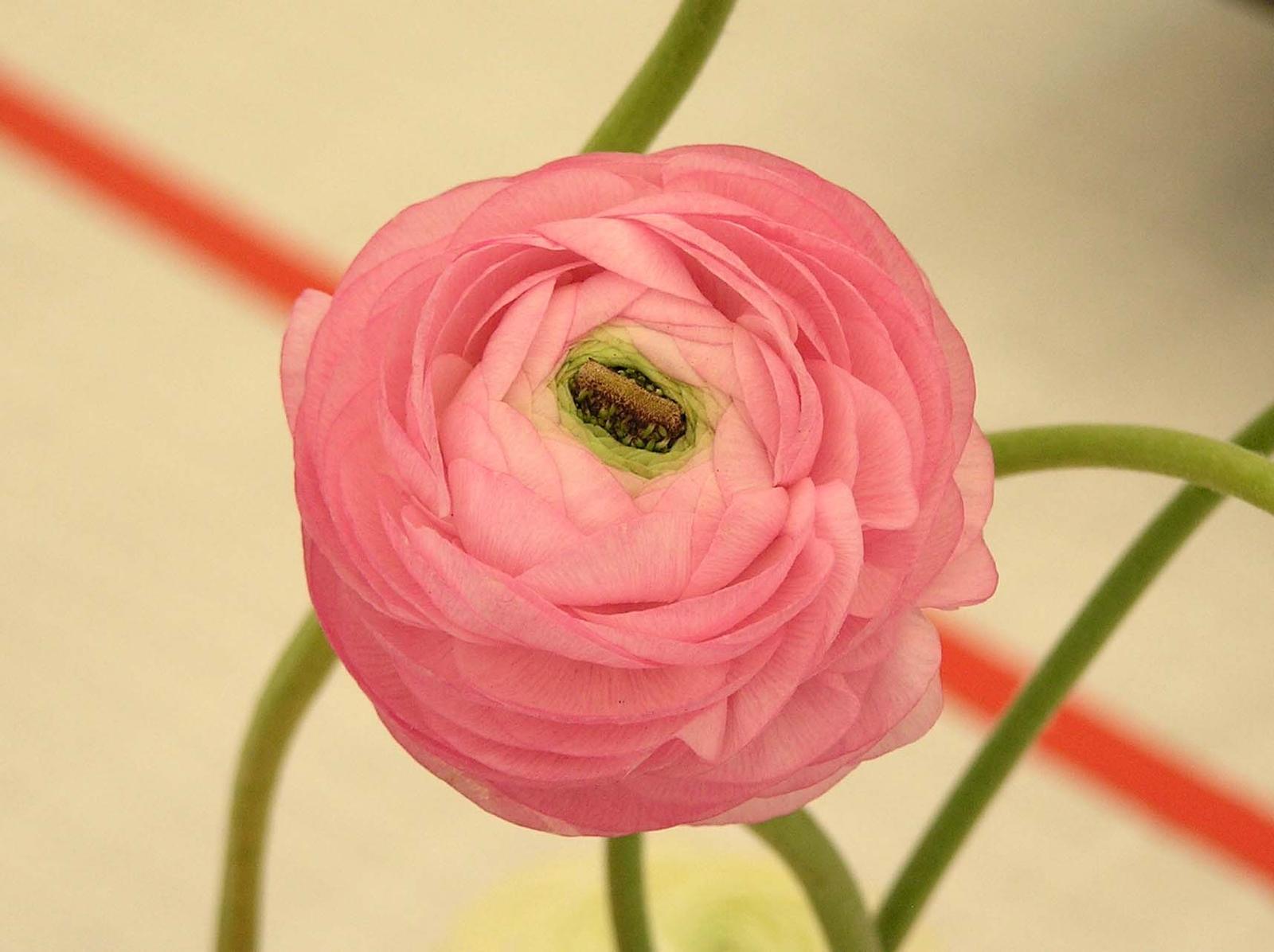
A mature plant forms a low clump of glossy ranunculus leaves, deeply cut and a little like parsley, with upright flower stems rising to about 12 to 24 inches. Colors include white, yellow, orange, red, pink and soft pastels, and the range of colors is wide enough that a bed of pink ranunculus can sit beside orange ranunculus or white ranunculus without clashing. Yellow ranunculus are the closest to the wild buttercups of the meadow. Some varieties have layered petals edged in a contrasting shade, a pattern known as picotee, and there are no true blue forms, although a few are sold as purple.
Breeders group the flowers by series rather than by one famous name. Tecolote and Bloomingdale are widely grown for cutting, with big double heads on strong stems, while the Italian types bloom a little earlier and carry very full flowers. Butterfly ranunculus are a looser, more open type with several flowering stems per plant, and their frilly look recalls a peony.
Ranunculus plants grow from corms, small dry storage organs that people often call a bulb, as in ranunculus bulbs, though botanically a corm is a swollen stem base. Dry ranunculus corms look like a tiny bunch of brown claws, a little like a dried octopus. The claws are the roots, and the point where they meet is the crown, which has to face up when you plant them.
Plants can also be raised from seed, but ranunculus seeds are slow, and seedlings often take most of a year to flower. Most gardeners start with corms because the plants bloom much sooner and the results are more predictable. When you purchase ranunculus corms, choose firm, plump ones with several intact claws, and avoid any that feel soft or look moldy.
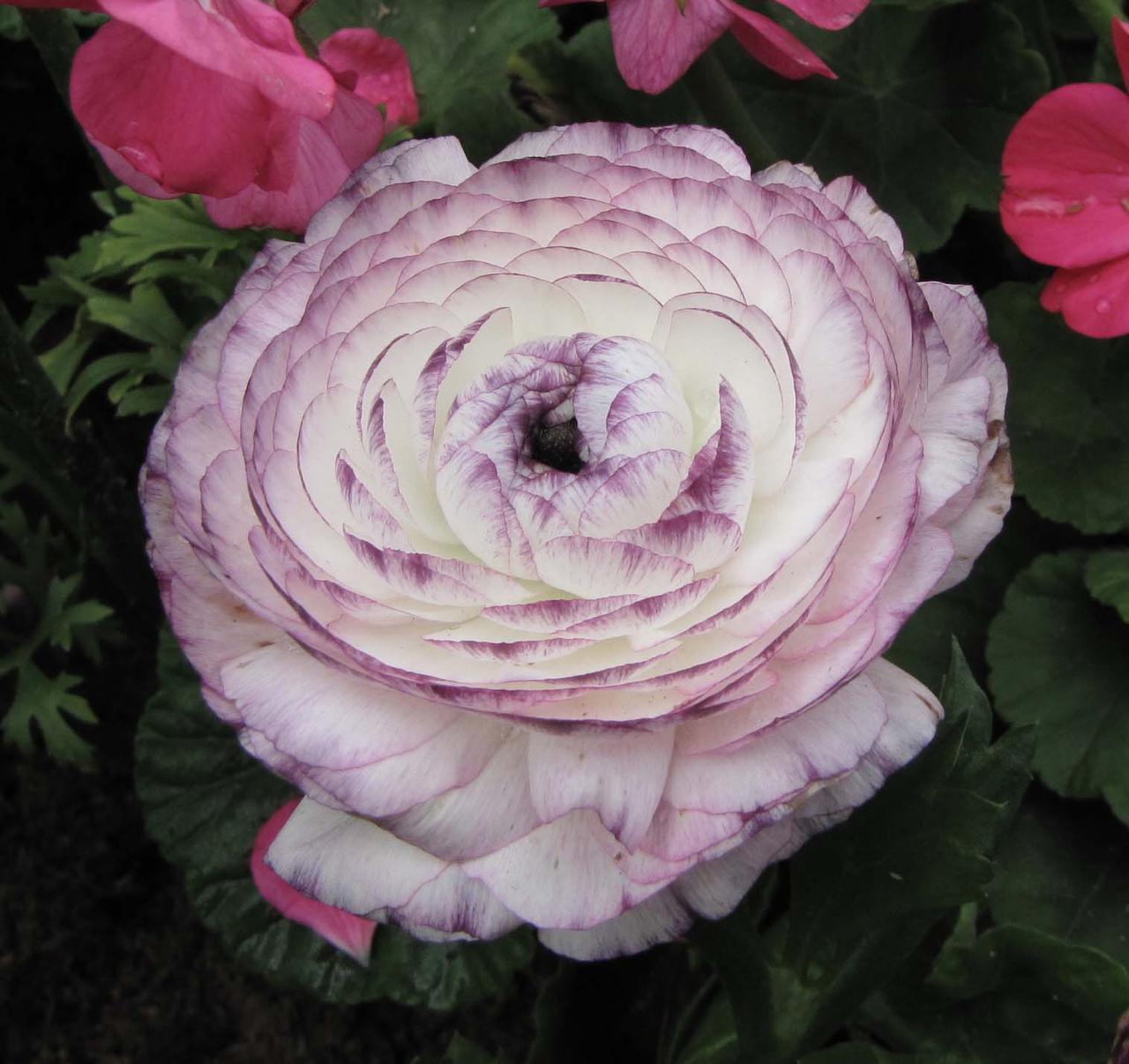
Photo: 阿橋 HQ, CC BY-SA 2.0, via Wikimedia Commons
The best time to plant depends on how cold your winters get. Ranunculus thrive in cool conditions, with mild days and nights that stay close to freezing or a little above, which is why they count among the classic cool-season flowers. If you live in zone 8 or a warmer climate, ranunculus are planted in the fall, and they grow roots over winter and bloom in early spring. Where winters are colder, plant them in late winter or early spring, as soon as the soil can be worked, and expect blooms in late spring. A new batch every few weeks stretches the display.
Freezing temperatures are the main risk. A light frost is tolerated, but a hard freeze can kill emerging shoots, so in cold regions it is safer to start the corms indoors in pots four to six weeks before your last frost date and move them out once the weather settles.
Dry corms are brittle and can rot if they go into cold, wet soil, so many growers soak them in cool water for three or four hours first, until they plump up. Avoid soaking them for much longer than a day, because they can drown. After soaking, some people pre-sprout the corms for a week or two in damp potting mix, in a cool spot at about 50 degrees Fahrenheit.
Choose a place in full sun, or at least a spot that gets six hours of direct sunlight, since bright light gives sturdier stems and more flowers. Drainage matters more than anything else, and the best way to prevent rot is to give the corms soil that never stays soggy. If your soil is clay, raise the bed or work in grit and compost until it is well-draining. Set the corms about two inches deep with the claws pointing down, four to six inches apart, then water once and keep the soil only lightly damp until leaves appear.
Both work, since ranunculus can be grown almost anywhere with good light, and the growing conditions are much the same. In the ground, ranunculus do well in beds, borders and cutting rows, and they pair nicely with tulips, anemones and daffodils, as well as flowers like roses and peonies in a cutting garden. Anemone corms look very similar and want the same conditions, so the two are often planted side by side. In containers, use a deep pot with drainage holes and a free-draining potting mix, and set the corms close without letting them touch. Pots are easy to move out of a late cold snap or afternoon heat.
Care of ranunculus is simple, as long as you keep water and temperature under control. Water when the top inch of soil feels dry, and avoid wetting the foliage late in the day, because damp leaves invite powdery mildew. A liquid fertilizer higher in potassium, applied every two weeks once buds begin to form, supports flowering. Cut off faded blooms to keep the plant producing, check the leaves and ranunculus stems for aphids, which a strong spray of water usually removes.
Heat is what ends the display, because ranunculus likes cool nights and bright but mild days. When days warm above about 70 to 75 degrees, growth slows and the flowers fade quickly and the petals drop, and a sheet of shade cloth over the bed can protect your plants and add a couple of weeks. In hot regions, then, ranunculus are grown as a winter flower rather than a summer one, and mild climates give the longest season.
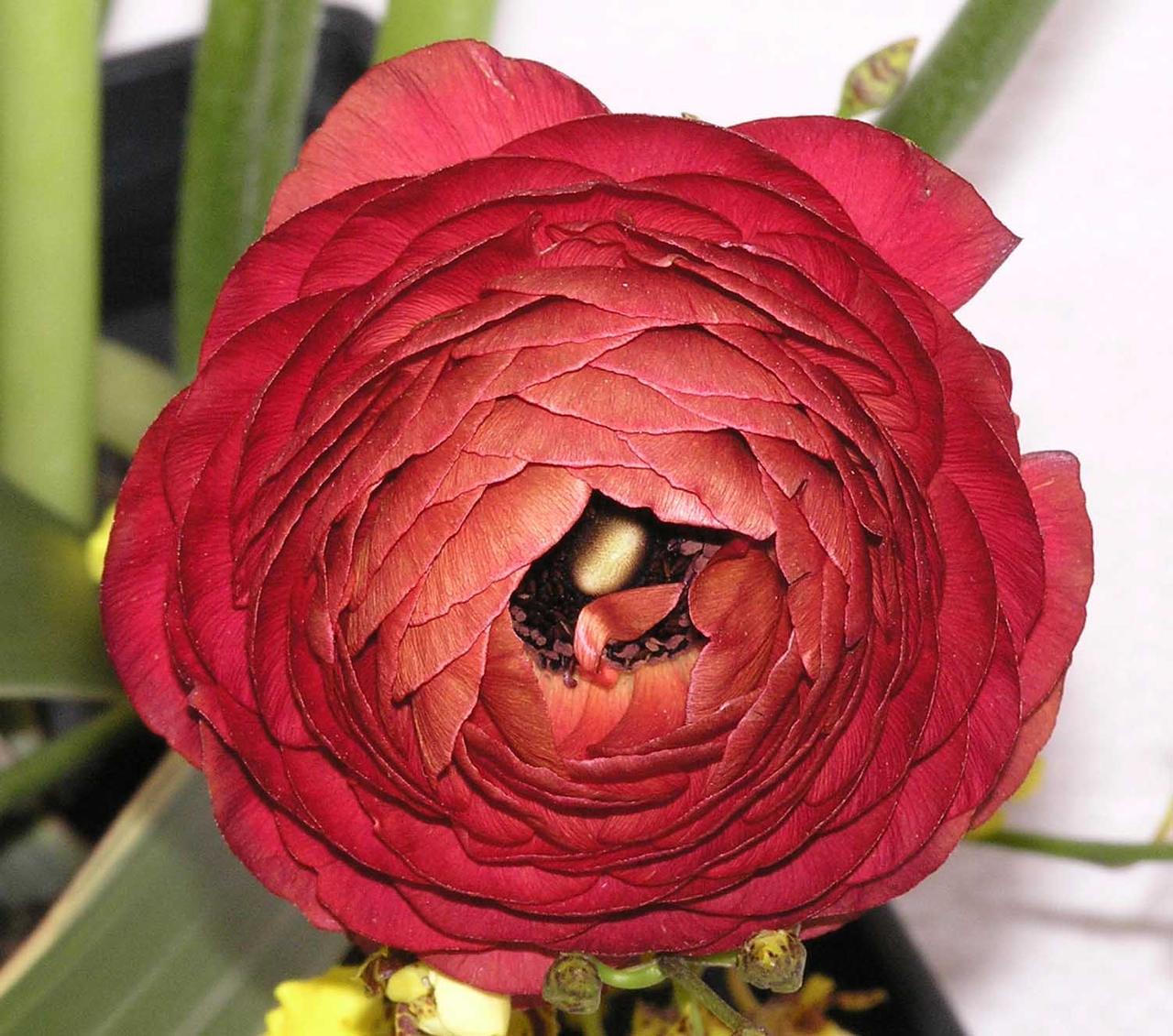
Photo: 阿橋 HQ, CC BY-SA 2.0, via Wikimedia Commons
Ranunculus are tender perennials, so the answer depends on the climate. In zones 8 to 10, the warmer climates, the plants can survive in the ground and sprout again, which makes them true perennial plants there, although they usually flower less after the first year. In colder zones, where winters freeze the soil, most people treat them as an annual or lift the corms for winter. Once the leaves have turned yellow and begun to die back, dig up the corms, brush off the soil, and let them dry for a few days in a shaded, airy spot. Store them in a paper bag or a box of dry peat in a cool, dry place over the summer, and replant them in the next planting season. Saved corms often flower less, so the biggest show usually comes from fresh ones.
A ranunculus bouquet is among the longest-lasting spring arrangements, and the vase life of cut ranunculus is typically seven to ten days. For beautiful ranunculus in a vase, harvest when the bud is fully colored and feels soft, like a marshmallow, but before each petal has unfurled, so that ranunculus blooms finish opening indoors. Cut the stems in the morning, strip the lower leaves, and place them straight into clean, cool water. Trim the stem ends every couple of days, and keep the arrangement away from heat, direct sun and ripening fruit.
The stems are hollow and a little fragile, and they bend toward light, which gives arrangements a loose, natural line. Florists favor ranunculus for wedding work as well as home displays, thanks to the array of colors, and arrangements featuring ranunculus combine well with roses, peonies, sweet peas and tulips.
In the language of flowers, ranunculus is most often linked with radiance and charm, and ranunculus symbolism has stayed fairly consistent for generations. Victorian writers on floral meaning gave the flower the message "I am dazzled by your charms", and the idea of attraction has followed it ever since. Today the meaning of ranunculus flowers also covers gratitude, admiration and a fresh start, and the soft, rose-like look of the bloom makes it a favorite for spring weddings and anniversaries, or simply to send a bouquet that says thank you.
No part of the plant should be eaten. Ranunculus, like the rest of its family, contains a compound that irritates the mouth and digestive tract, and the sap can cause a rash on sensitive skin, so wear gloves when you cut stems and keep the plants away from curious dogs, cats and horses.
Julian Marsh covers floral design and spring flowers. Flowers bound for Thailand can be ordered via Euroflorist.
· 3 min read
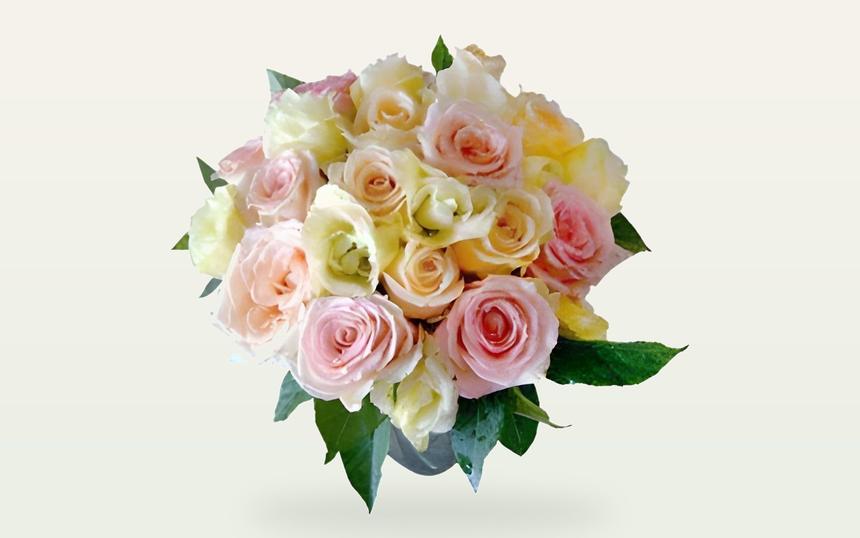
Ranunculus vs peony: how to tell the two ruffled spring flowers apart, how big the blooms get, when each is in season, vase life and how to grow them.
· 6 min read
Ranunculus flower meaning explained: its symbolism of charm and radiance, what each color says, the Persian and coyote legends, and when to give it.
· 6 min read
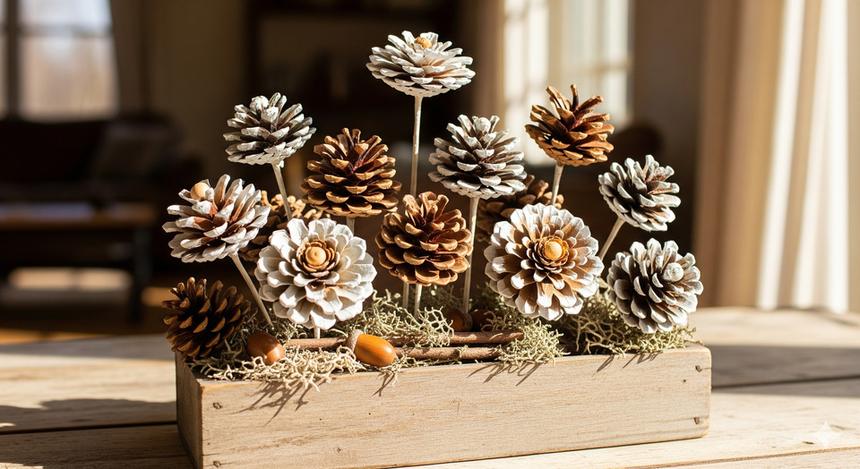
Wish you could have a beautiful floral arrangement that lasts forever? This guide will show you how to transform simple pinecones into stunning, year-round flowers. Learn how the natural shape of a pinecone can be crafted into a rustic yet elegant bloom, perfect for adding a touch of nature to your home without the hassle of watering.